
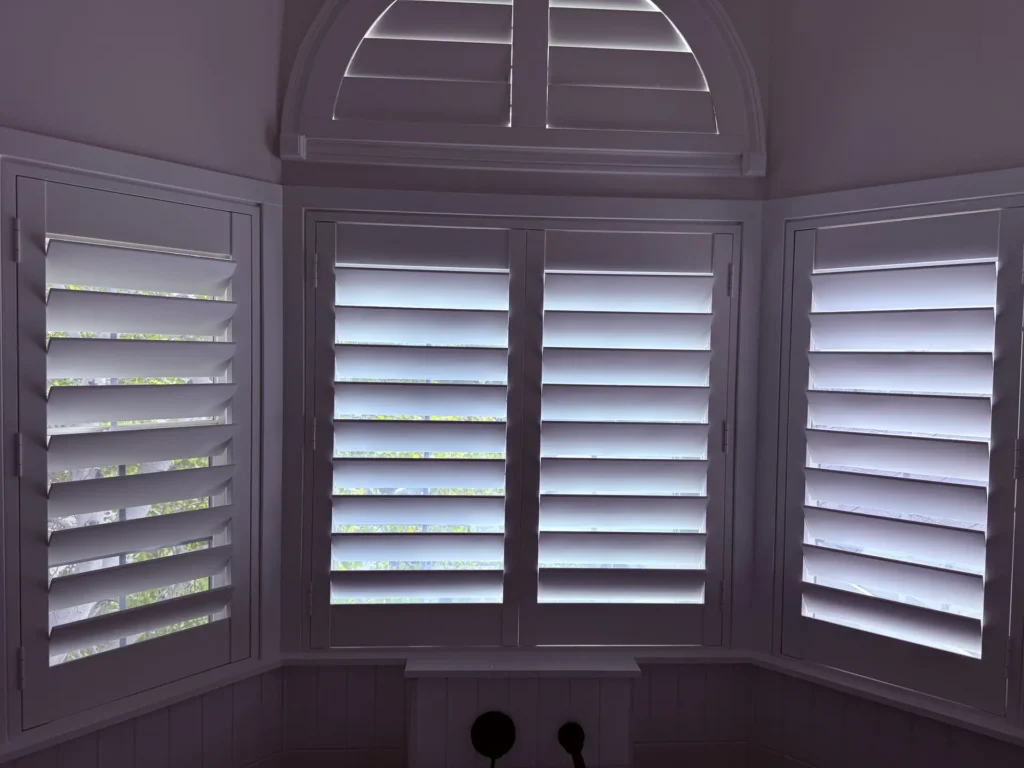
Choosing the right window treatments can make a significant difference in the appearance, comfort, and functionality of your home. Blinds not only provide privacy and light control but also contribute to the overall design of a room. Among the many options available, wood blinds remain a popular choice because of their timeless style and versatility. However, homeowners often face an important decision: should they choose real wood blinds or faux wood blinds?
While both options offer attractive benefits, they differ in terms of cost, durability, maintenance, and performance. Understanding the advantages and disadvantages of each can help you select the best solution for your home and lifestyle.
Understanding the Difference Between Faux Wood and Real Wood Blinds
Real wood blinds are crafted from genuine hardwoods to offer natural beauty and unique grain patterns that add warmth and character to a room. Because no two pieces of wood are exactly alike, real wood blinds provide a distinctive look that many homeowners appreciate.
Faux wood blinds, on the other hand, are manufactured from composite materials, PVC, or vinyl. Modern manufacturing techniques allow faux wood blinds to closely mimic the appearance of natural wood while providing additional durability and moisture resistance. From a distance, many homeowners find it difficult to tell the difference between high-quality faux wood and genuine wood blinds.
The Advantages of Real Wood Blinds
One of the biggest reasons homeowners choose real wood blinds is their natural beauty. Genuine wood offers rich textures and grain patterns that create a sophisticated appearance.
Another advantage is their lightweight construction. Although wood is a sturdy material, real wood blinds are often lighter than faux wood alternatives. This can make them easier to operate, especially on larger windows. The reduced weight also places less strain on cords, tilt mechanisms, and other hardware over time.
Real wood blinds are often viewed as a premium window treatment option. For homeowners looking to create an upscale appearance, the authentic look of natural wood can add a touch of luxury that enhances the overall value and appeal of a home.
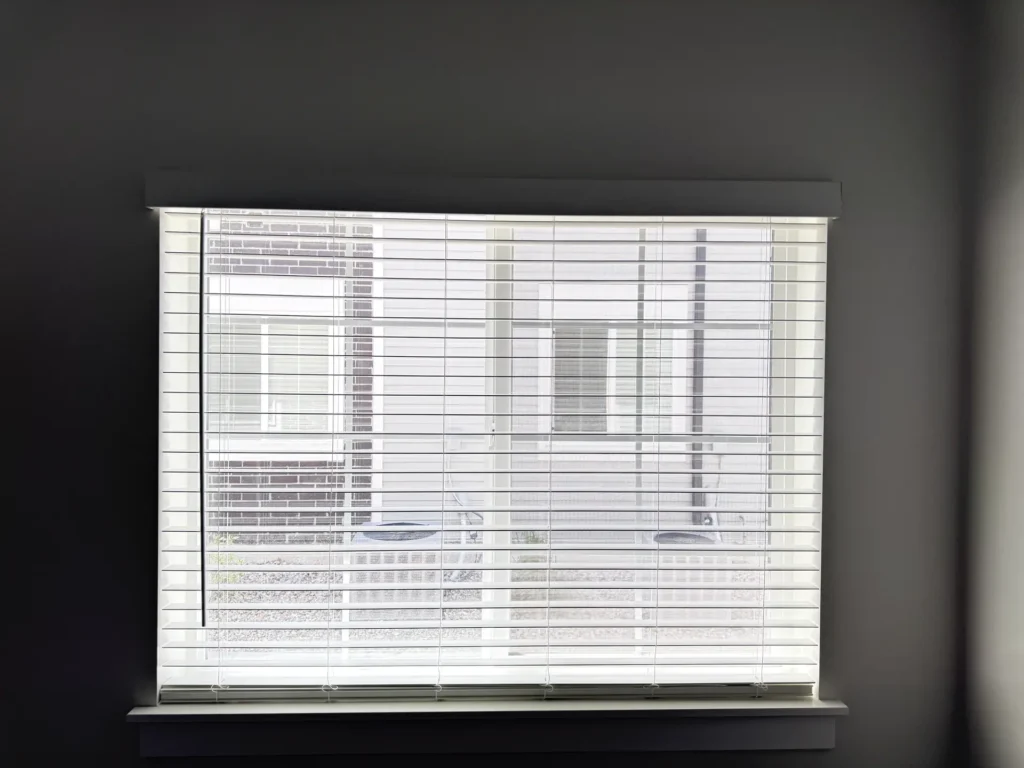
The Drawbacks of Real Wood Blinds
While real wood blinds offer many benefits, they also have some limitations. One of the most notable drawbacks is cost. Because they are made from genuine wood, they are typically more expensive than faux wood blinds.
Moisture can also be a concern. In areas with high humidity, such as bathrooms, kitchens, laundry rooms, or basements, real wood may warp, crack, or discolor over time. Exposure to excessive moisture can shorten the lifespan of the blinds and affect their appearance.
Real wood blinds may also require a bit more care to maintain their beauty. Prolonged exposure to direct sunlight can sometimes cause fading, and homeowners may need to take extra precautions to preserve their finish.
The Advantages of Faux Wood Blinds
Faux wood blinds have become increasingly popular because they offer many of the visual benefits of real wood at a more affordable price point. Homeowners who want the appearance of wood without the higher cost often find faux wood blinds to be an excellent solution.
One of the greatest advantages of faux wood blinds is their exceptional moisture resistance. Unlike real wood, faux wood materials are designed to withstand humid environments without warping, cracking, or peeling. This makes them an ideal choice for bathrooms, kitchens, laundry rooms, and other moisture-prone areas.
Faux wood blinds are also highly durable. They stand up well to daily wear and tear, making them a practical option for households with children or pets. Cleaning is typically simple, requiring only occasional dusting or wiping with a damp cloth.
The Potential Drawbacks of Faux Wood Blinds
Despite their many advantages, faux wood blinds are not without drawbacks. One of the most common concerns is weight. Faux wood materials are generally heavier than real wood, which can make large blinds more difficult to operate. For oversized windows, this additional weight may require special hardware or design considerations.
Although modern faux wood products closely resemble natural wood, they may not fully replicate the depth, texture, and character of genuine wood grain. Homeowners who place a high value on authenticity may still prefer the appearance of real wood blinds.
Which Option is Best for Your Home?
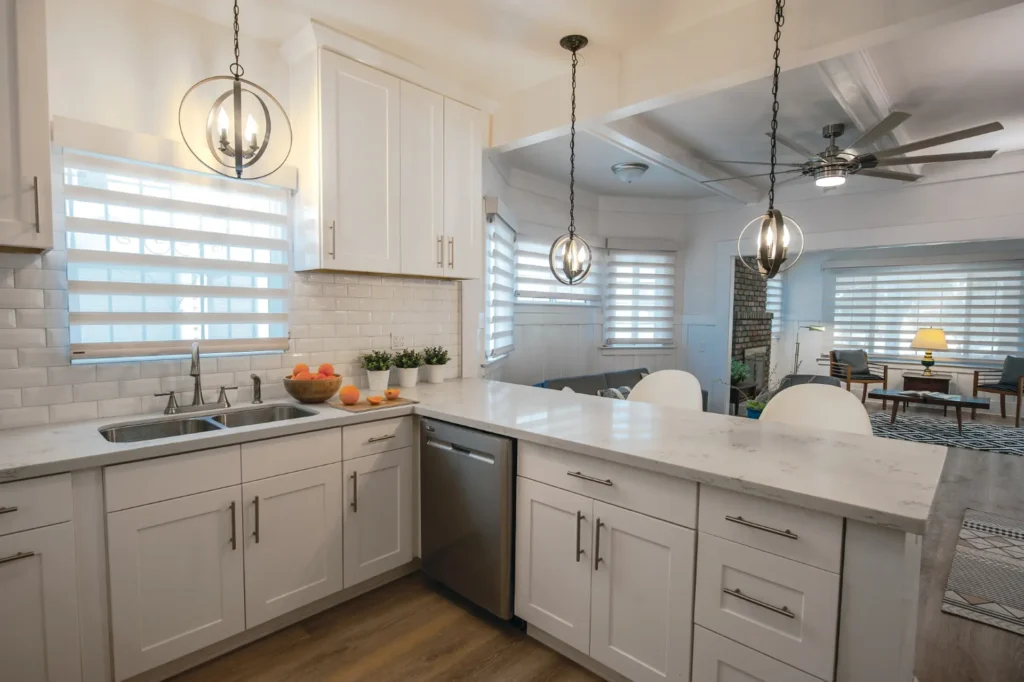
The right choice often depends on where the blinds will be installed. Real wood blinds are an excellent option for living rooms, dining rooms, bedrooms, and home offices where humidity levels are typically lower. In these spaces, homeowners can fully enjoy the warmth and elegance of natural wood.
Faux wood blinds are often the preferred choice for bathrooms, kitchens, laundry rooms, and basements. Their ability to resist moisture makes them a practical and long-lasting solution in areas where real wood may be vulnerable to damage.
When making your decision, consider factors such as your budget, design preferences, maintenance expectations, and the conditions within each room. There is no one-size-fits-all answer, and many homeowners choose to use a combination of both products throughout their homes.
Find the Right Blinds with Lloyd’s Blinds & Shutters
If you’re unsure which option is best for your space, the team at Lloyd’s Blinds & Shutters can help. We offer expert guidance, custom window treatment solutions, and professional installation services designed to match your home’s style and your family’s needs. Contact us at Lloyd’s Blinds & Shutters today to explore your options and find the perfect blinds for every room in your home.